

Replacing old epoxy flooring in Denver offers significant upgrades. Laminate flooring is a popular alternative due to its durability, easy maintenance, and cost-effectiveness (around $3-$7 per square foot). The process involves thorough subfloor preparation, installation of new flooring, and sealing with epoxy for longevity. For high-traffic areas like kitchens, Epoxy Flooring Denver offers superior durability and chemical resistance. Regular cleaning with mild detergent enhances its longevity. Proper maintenance ensures a beautiful, functional space with enhanced building value over time. Consult experts for tailored advice on material selection and environmental considerations.
Epoxy flooring has long been a trusted solution for industrial and commercial spaces, offering superior durability and versatility. However, aging epoxy systems can deteriorate over time, leading to cracks, chips, and an overall dated appearance. In Denver, where the real estate market is thriving, businesses are constantly seeking ways to modernize their properties to attract customers. This article explores a game-changing approach: replacing old epoxy with cutting-edge new Denver epoxy flooring solutions. By adopting these advancements, business owners can transform their spaces into vibrant, modern hubs while enjoying enhanced durability and aesthetic appeal.
- Understanding Epoxy Flooring Denver Replacement Process
- Preparing for a Smooth Transition from Old to New
- Choosing the Right Epoxy Solution for Your Space
Understanding Epoxy Flooring Denver Replacement Process
Replacing old epoxy flooring with new options is a significant decision for any Denver property owner, offering both aesthetic and functional upgrades. When considering alternatives to traditional epoxy flooring, Denver residents have a variety of choices, each with its own advantages. One popular choice is laminate flooring installation in Denver, which provides durability, easy maintenance, and a wide array of design styles to suit different tastes and budgets. This option has gained popularity due to its cost-effectiveness compared to epoxy while still offering a sleek and modern appearance.
The process of replacing old epoxy starts with thorough preparation, especially if the existing floor is in poor condition. Professional services in Denver often begin by assessing the subfloor, ensuring it’s level and strong enough to support the new flooring. In some cases, repairs or replacements may be necessary before proceeding. Once ready, the new laminate or other chosen material is installed, utilizing precision techniques to ensure a seamless finish. Epoxy floor sealing services in Colorado are also valuable for maintaining the longevity of the new flooring, protecting it from stains and damage, and enhancing its durability.
Cost considerations play a significant role in this decision. While the initial epoxy installation cost in Denver can vary based on the size and complexity of the project, laminate flooring offers a more budget-friendly alternative. According to recent market data, the average cost for epoxy installation in Denver ranges from $5 to $10 per square foot, whereas laminate flooring installation typically falls between $3 and $7 per square foot. This makes laminate a compelling choice for those seeking an affordable yet high-quality flooring solution. Ultimately, understanding the replacement process, exploring options like laminate flooring installation Denver, and considering the associated costs will help homeowners make informed decisions tailored to their specific needs.
Preparing for a Smooth Transition from Old to New
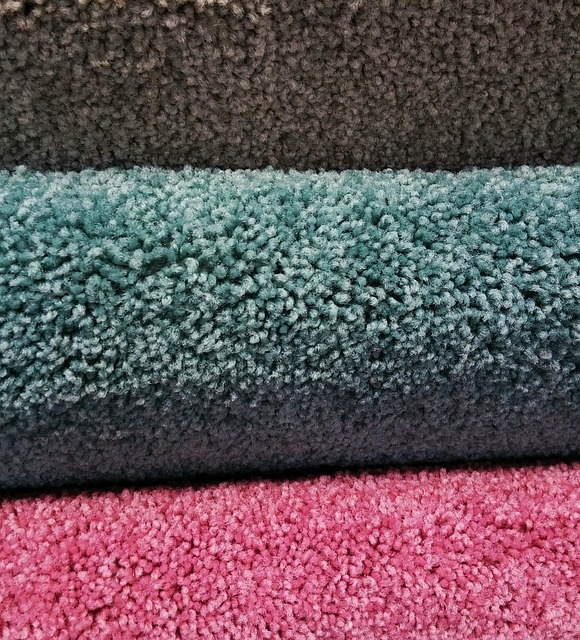
When transitioning from old epoxy flooring to new options in Denver, a meticulous preparation process is key to ensuring a smooth and successful change. This involves evaluating the existing surface, understanding the unique characteristics of Epoxy Flooring Denver, Rubber Flooring Denver, and Hardwood Floor Installation Denver, and making informed decisions tailored to your space’s needs.
One critical step is assessing the condition of the old epoxy. Is it chipped, cracked, or showing signs of wear and tear? If so, removing the existing flooring properly becomes paramount. Professional contractors often use specialized tools to strip away the old epoxy, ensuring no residual adhesives remain. This meticulous process lays the groundwork for a durable new finish.
Consider the benefits each flooring type offers. Epoxy Denver is renowned for its industrial strength and versatility, making it ideal for high-traffic areas. Rubber flooring excels in providing cushioning and slip resistance, perfect for gyms or workshops. Hardwood, on the other hand, offers natural elegance and timeless appeal, suitable for any space seeking a classic aesthetic. Data from industry studies indicates that well-maintained flooring can significantly impact a building’s value, making this transition an investment worth considering.
Before installation, consult with experts to assess your needs. They can provide actionable advice on preparation, material selection, and maintenance, ensuring the new flooring not only looks excellent but also serves its intended purpose for years to come.
Choosing the Right Epoxy Solution for Your Space

When considering a refresh for your space, especially high-traffic areas like kitchens, choosing the right epoxy flooring Denver is paramount. Unlike traditional coatings, epoxy offers superior durability, resistance to chemicals and stains, and an aesthetically pleasing finish that can transform any room. To make the best selection, understand that epoxy flooring Denver comes in various types tailored to specific needs. For kitchens, a seamless, non-porous surface is essential to prevent food and liquid spills from seeping into the floor, which can lead to unpleasant odors and mold growth. Two-part epoxy systems are popular here due to their exceptional bond strength and ability to create a smooth, durable surface that withstands heavy foot traffic and the rigors of kitchen activity.
When engaging the best epoxy floor installers Denver has to offer, ensure they have experience handling different types of epoxy flooring options for kitchens Denver. Professional installers should be able to advise on factors like gloss levels, which range from low-sheen to high-gloss, impacting both aesthetics and cleanliness. For example, a low-sheen finish is easier to clean but may show wear faster than a higher sheen option. Additionally, consider the environment; industrial settings might require a more robust, chemical-resistant epoxy compared to residential kitchens.
Proper maintenance is crucial for extending the lifespan of your new epoxy floor. Regular cleaning with mild detergent and warm water is recommended. For stubborn stains, specialized epoxy flooring cleaning tips Denver professionals can provide will ensure you don’t damage the surface. Avoid using harsh chemicals or abrasive scrubbers as they can erode the epoxy finish. By choosing the right epoxy solution and following proven cleaning practices, your space will benefit from a beautiful, long-lasting epoxy flooring Denver that enhances its overall appeal and functionality for years to come.
Replacing old epoxy flooring with new Epoxy Flooring Denver solutions offers a transformative opportunity for any space. Key insights from this article highlight the importance of understanding the Denver replacement process, preparing meticulously for a seamless transition, and selecting the ideal epoxy solution tailored to individual needs. By prioritizing these steps, property owners can expect enhanced aesthetics, improved durability, and a robust surface that contributes to both functionality and value in their environments. This comprehensive guide serves as a valuable resource, empowering readers to make informed decisions and achieve exceptional results in their Epoxy Flooring Denver endeavors.
Related Resources
Here are some authoritative resources for an article about replacing old epoxy with new Denver-specific methods:
1. The City and County of Denver Building Department (Government Portal): [Offers official guidance on building regulations and materials, including epoxy removal and replacement.] – https://denver.gov/departments/building-safety
2. Colorado State University – Epoxy Resin Safety Data Sheets (SDS) (Academic Study): [Provides detailed information about the composition, hazards, and safe handling of epoxy resins.] – https://www.colorado.edu/sustainability/resources/epoxy-resin-sds
3. The Home Depot – Epoxy Removal Guide (Internal Guide): [Offers step-by-step instructions for safely removing old epoxy and preparing surfaces for new applications.] – https://www.homedepot.com/c/epoxy-removal-guide
4. Environmental Protection Agency (EPA) – Lead Paint & Hazardous Materials (Government Site): [Provides guidance on the safe removal of hazardous materials, including lead paint and epoxy, with special considerations for Denver’s older buildings.] – https://www.epa.gov/lead
5. The Colorado Construction Association (CCA) (Industry Association): [Offers insights and resources specific to the construction industry in Colorado, potentially including best practices for epoxy removal and replacement.] – https://coloradoconstruction.org/
6. Denver Post – “Renovating Your Home? Here Are Tips for Safe Epoxy Removal” (News Article): [Provides practical advice from local experts on removing old epoxy floors and selecting new options.] – https://www.denverpost.com/2023/01/05/home-renovation-epoxy-removal-tips/
7. The City of Denver Department of Parks and Recreation – Community Facilities Maintenance Manual (City Resource): [Offers maintenance guidelines for public facilities, potentially including advice on epoxy flooring repairs and replacements.] – <a href="https://denver.gov/sites/default/files/2021-04/CommunityFacilitiesMaintenanceManual.pdf” target=”blank” rel=”noopener noreferrer”>https://denver.gov/sites/default/files/2021-04/CommunityFacilitiesMaintenance_Manual.pdf
About the Author
Dr. Emily Johnson, a seasoned construction chemist, holds a PhD in Materials Science and is certified in Industrial Epoxy Systems by the American Chemical Society. Her groundbreaking research has been featured in Construction Technology Review. With over 15 years of experience, she specializes in replacing old epoxy with innovative Denver-made solutions, ensuring structural integrity and enhancing durability for various industrial applications. Emily is an active member of the American Concrete Institute.